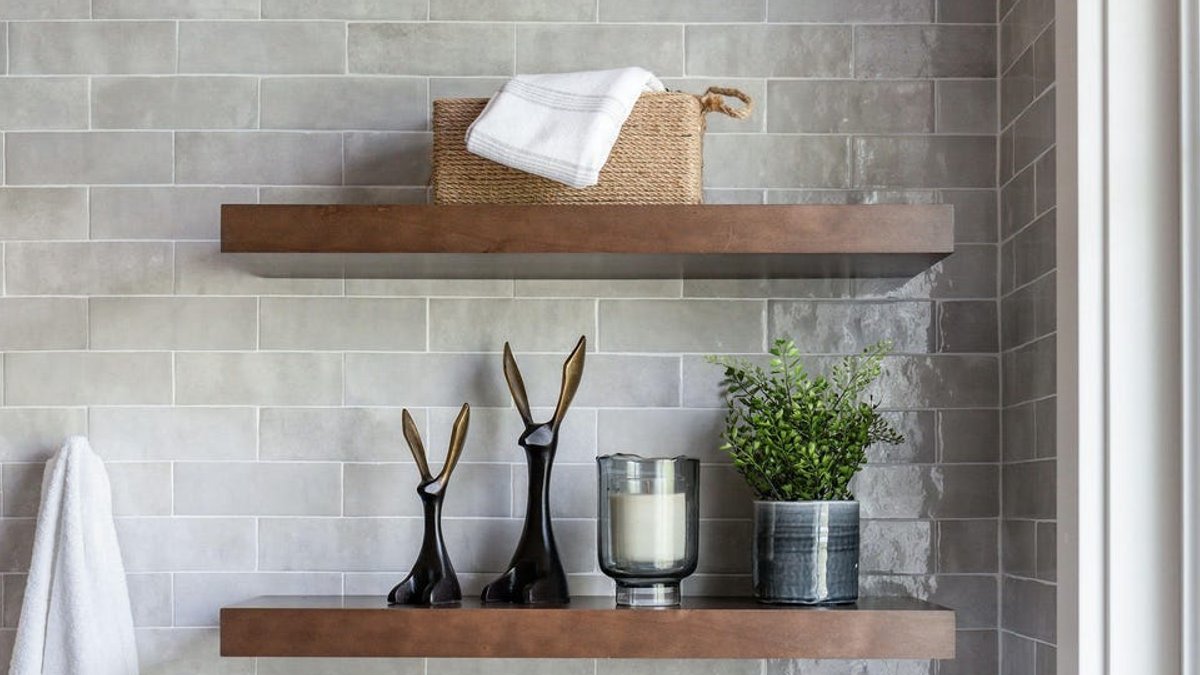
Open shelving has become a defining feature of modern kitchens and living rooms, offering a casual avenue to showcase personal style. This aesthetic approach is not unlike the refined look found in an Alpine retreat where light and space define the mood.
However, many homeowners quickly learn that exposing possessions to the air creates more work than it provides. Designers consistently advise that what goes on these shelves matters just as much as what stays in the cabinets. Remodelers or people rearranging might want to be selective about display items. While these units look great in staged photographs, the reality of daily living often makes open shelving a source of stress if the curation isn’t done right. The aesthetic appeal can fade quickly during cooking or cleaning sessions.
Avoiding Purely Functional Items
Nicole Forina, a designer based in New Jersey, is careful about what she places on open shelving. She avoids storing anything that is purely functional, noting that such items create visual noise. This includes plastic food containers, bulky small appliances, cleaning supplies, and pantry goods left in their original packaging. Ashley Jacobs of Cook Design House shares this philosophy. She prefers reserving open space for glassware, ceramics, or serving pieces that serve a decorative purpose. Jacobs suggests that the goal of open shelving should be to feel intentional and edited. It should not look like overflow storage for items that do not have a place in the home.
The Problem with Wires and Cords
Julia Newman, who splits her time between Los Angeles and Minnesota, follows a strict rule regarding wires. She avoids putting electronics with visible cords on open shelves. Newman argues that these cables distract from the overall design and create visual clutter. According to her, open shelving is an opportunity to showcase personality through curated objects. Consequently, anything that requires a cable or cord belongs in a cabinet. Homeowners seeking reduced clutter might consider switching to wireless speakers for their audio needs.
Related: Stylish Watering Cans for the Modern Gardener
The Trap of Impulse Buys
Charleston designer Sarah Hart believes that restraint is key when decorating shelves. She observes that people often go to stores like HomeGoods and buy items just to fill a space. Hart advises against this habit. She notes that negative space will instantly improve your setup if you leave it empty. Instead of buying things to buy, Hart encourages people to collect items over time. Trish Knight, a Vancouver-based designer, agrees. Knight states that open shelving should be considered “on display,” meaning items must be chosen to look good together. These items need to make sense for the room and have meaning to the people living there. Buying too much at once creates a jarring collection of mismatched objects.
There is a psychological weight to putting items in a place where they are constantly on display. Unlike closed cabinets where items are hidden, open shelves turn possessions into public statements. You might find yourself constantly rearranging them to ensure they look “perfect” for family and guests, which can turn a design choice into a chore. This constant scrutiny changes how you interact with your own home, making you more aware of dust and disorder than you might be in other areas.
Avoiding Everyday Use Items
Ellie Christopher warns against using open shelves for everyday dinnerware. While floating shelves might look beautiful in photos, she points out that they collect dust much faster than closed cupboards. Christopher does not want to wash her coffee mug or dinner plate before every meal. Therefore, she keeps these essentials in a cabinet. To add a cozy touch, Christopher suggests adding a stack of cookbooks to the shelves. This provides a curated look without the maintenance required for washed dishes. Washing items for guests or family can turn a nice kitchen feature into a chore.
Curating for Art and Atmosphere
Curating for art and atmosphere requires a steady hand. Designers emphasize that the visual rhythm of the shelves dictates the room’s feel. Selecting objects with varying heights and textures prevents the display from looking flat or boring. A well-placed vase or a single framed photo can add focus to a wide span of wood or metal. Ultimately, the arrangement serves as a reflection of the homeowner’s taste and interests.


