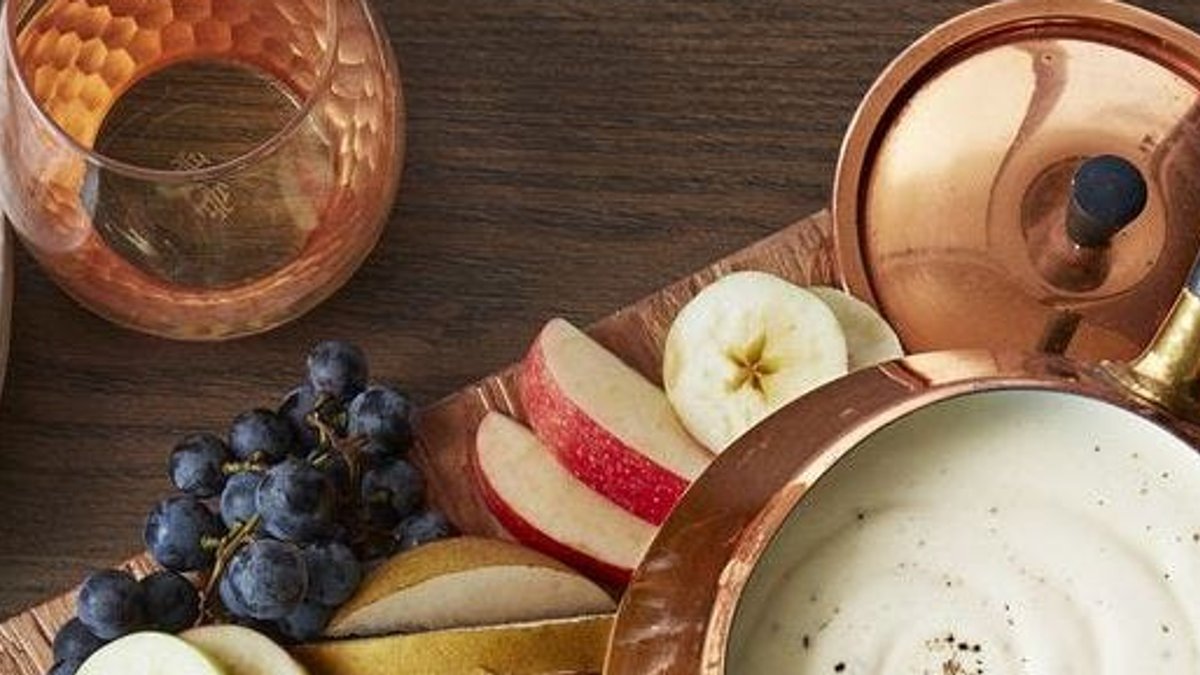
The 2026 Winter Olympics are highlighting the Alps, and for many, that means turning toward melted cheese. Two Northern European staples dominate the winter menu: fondue and raclette. Both offer that classic ooey-gooey texture and a cozy atmosphere, but the way they are prepared and eaten sets them apart.
Fondue traces back to the 18th century, originating in the Swiss Alps. Large families would gather to dip stale bread into a pot of melted, aged cheese. The meal has evolved since then, but the core ingredients remain relatively consistent. Chefs typically mix Emmental or Gruyère with white wine, occasionally adding garlic or kirsch, a clear cherry brandy. This specific preparation requires a communal pot heated by a candle or electric element.
Diners use long, pointed sticks to dip accoutrements into the mixture. While crusty bread is the standard, there are no strict rules about what can be added. Unlike the interactive nature of fondue, raclette is an older tradition dating back to the 12th century. The name comes from the French verb “racler,” meaning to scrape.
Related: 6 Items Designers Avoid on Open Shelves
The Cheese Experts at Murray’s describe the process as a melting and scraping motion for each bite. It acts as a topping rather than a dip. Chefs typically use savory, funky cheeses sliced from an Alpine wheel. There are flavor varieties available, such as Raclette de Compton au Poivre, which features pink peppercorns. This method of scraping cheese directly onto a plate offers a different texture and experience compared to the communal pot.
Both dishes are shareable and simple to execute at home. For raclette, machines are currently available that melt a layer of cheese, though the tradition involves melting it over fire. Small cast iron grills heated by candles or electricity are also sold for personal use. Preparation focuses on the accoutrements. A host should arrange a tray with cubed sourdough, cornichons, pickled onions, roasted potatoes, or pickled peppers. The variety of textures helps balance the richness of the cheese. People can also get creative with unconventional items, like waffle cones or pigs in a blanket, though plenty of napkins are essential. Pairing the meal involves choosing drinks that cut through the fat. White wine or a light red is the standard choice, as the acidity contrasts with the cheese’s richness. Non-alcoholic options like lemonade or hibiscus iced tea also work well.
Choosing between the two comes down to the level of interaction a host wants. Fondue requires active dipping and stirring to prevent the cheese from separating. Raclette, conversely, allows for a more passive serving style where the host melts the cheese and guests scrape it onto their own plates. This distinction can make a significant difference for someone hosting a larger group where they want to spend more time socializing than standing over a hot pot.
Related: Small House Hides Behind Weatherboard Cladding
Hosting a cheese-focused dinner party requires some planning. One must consider the setup for the meal, ensuring there is enough space for guests to gather around the shared dish. This preparation is similar to organizing a renovation project where every detail needs to be considered for the final result. Just as a homeowner might seek advice on optimizing a small space, a host should plan the layout to ensure the meal flows smoothly.
Whether choosing fondue or raclette, the focus remains on the communal experience. The interactive nature of dipping versus scraping provides different levels of engagement for guests. Ultimately, the choice depends on the desired atmosphere and the host’s cooking preference.