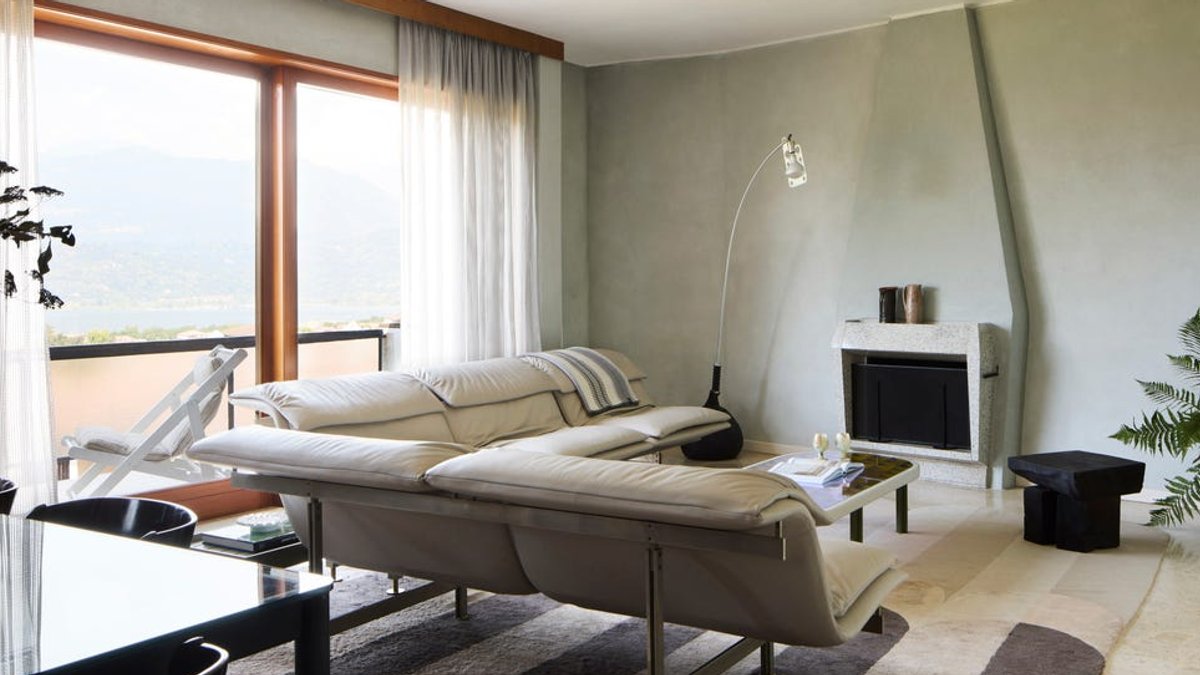
Cristina Celestino’s eponymous studio, founded in Milan in 2013, has made her a household name in the city’s design scene. Her previous works, such as transforming iconic spaces and hidden gems, have left a lasting impression. This year, she created the stand for Ethimo at Salone del Mobile, inspired by her ‘Seeds’ collection, and designed a convivial dining table for Carpanese’s new ‘Composing’ collection. However, despite her success in Milan, Celestino began to crave a retreat from the urban environment, a place where she could reconnect with nature.
Celestino found her ideal retreat in a house overlooking Lake Maggiore and the Borromean Islands, designed by architect Mario Cracchi in the 1950s. The house came with a 1,000-square-metre garden, which has become a living sign to her signature style. The garden is dedicated to flowering plants, including azaleas, rhododendrons, and camellias. Celestino spent a year renovating the interior, carefully balancing the original details with contemporary designs. The result is a unique blend of historical and modern elements, reflecting her design philosophy.
What’s Inside
- Design Philosophy Behind the Retreat
- The Garden’s Influence on Color Palette
- Historical Elements in the Interior Design
- Contemporary Design Elements
- Comparison of Design Elements
- Timeline of Cristina Celestino’s Design Career
- Practical Advice for Implementing Similar Design
- The Future of Cristina Celestino’s Design Style
Design Philosophy Behind the Retreat
Celestino’s design philosophy is deeply rooted in her connection to nature. Her garden, filled with flowering plants, serves as a constant source of inspiration for her work. The soft colors and organic shapes found in the garden are reflected in her interior design choices. By incorporating natural elements, such as wood and stone, Celestino creates a sense of harmony between the indoor and outdoor spaces. Her approach to design is characterized by a thoughtful balance of historical and contemporary elements, resulting in a unique and cohesive aesthetic. The role of nature in her design philosophy is evident in the way she allows the garden to influence her choices, from the selection of materials to the color palette.
Related: A home grown from garden inspiration
The Garden’s Influence on Color Palette
The garden’s soft color palette has had a significant influence on the interior design of the retreat. Celestino selected flowering plants with delicate hues, such as irises and gladiolus bulbs, which have inspired the color scheme of the interior. The use of soft colors in the garden and interior creates a sense of continuity between the two spaces. The extension of the garden’s color palette to the interior is evident in the choice of furnishings and decorative elements, such as the ‘Wave’ sofas by Giovanni Offredi for Saporiti and the ivory-lacquered ‘Sheraton’ sideboard from Acerbis. These pieces, with their subtle colors and curved lines, reflect the organic shapes and soft hues found in the garden. As a result, the interior and exterior spaces blend seamlessly together, creating a cohesive and peaceful environment. For more information on design and architecture, visit the official website of the American Society of Interior Designers at https://www.asid.org.
Historical Elements in the Interior Design
Cristina Celestino’s approach to the interior design of her retreat has been a careful exercise in balance, preserving many original details of the 1950s house. The boiserie in the living room, the bed in the guest bedroom, and the windows have all been maintained, blending seamlessly with contemporary designs. The incorporation of historical pieces, such as the ‘Sheraton’ sideboard, adds a touch of elegance to the space. Celestino’s decision to keep the layout of the home’s upper storey largely untouched has allowed her to create a sense of continuity with the past, while still introducing modern elements. The result is a unique blend of historical and contemporary elements, where the ‘Sheraton’ sideboard from Acerbis sits alongside Celestino’s own works, showcasing her ability to balance different styles.
The preservation of original details has been a key aspect of Celestino’s design philosophy, as she seeks to honor the history of the house while still making it her own. By maintaining the original boiserie and windows, she has created a sense of connection to the past, while the introduction of contemporary pieces has brought a touch of modernity to the space. This balance between historical and contemporary elements is a hallmark of Celestino’s design style, and is evident throughout the retreat.
Contemporary Design Elements
Celestino has introduced a range of modern pieces to the retreat, including the ‘Wave’ sofas by Giovanni Offredi for Saporiti. These sleek, curved sofas add a touch of sophistication to the living room, and their modern design provides a striking contrast to the more traditional elements of the space. The use of ivory-lacquered finishes on pieces such as the ‘Sheraton’ sideboard has also added a contemporary touch to the retreat, creating a sense of brightness and airiness. The blending of contemporary and historical elements has been a key aspect of Celestino’s design approach, as she seeks to create a space that is both modern and respectful of the past.
Related: Playful Bondi Home Defies Beach House Norms
The introduction of modern pieces has allowed Celestino to put her own stamp on the retreat, while still honoring the history of the house. The ‘Wave’ sofas, for example, are a distinctive feature of the living room, and their modern design has helped to create a sense of tension and contrast with the more traditional elements of the space. By combining these modern pieces with historical elements, such as the boiserie and the ‘Sheraton’ sideboard, Celestino has created a unique and captivating interior design that reflects her own personal style. For more information on design and architecture, visit the official website of the American Institute of Architects at https://www.aia.org.
Comparison of Design Elements
Cristina Celestino’s garden and interior design share a harmonious relationship, particularly in their color palettes. The soft hues of the garden’s flowering plants, such as azaleas and hydrangeas, are reflected in the interior’s subtle color scheme. The use of texture and finish also plays a significant role in creating a cohesive look. The following table compares the key design elements in the garden and interior:
| Design Element | Garden | Interior |
|---|---|---|
| Color Palette | Soft pastels, whites, and greens | Soft pastels, creams, and beiges |
| Texture | Natural stone, wood, and plant material | Wood, stone, and plush fabrics |
| Finish | Rough-hewn stone and natural wood | Polished wood and smooth stone |
| Pattern | Organic patterns from plants and flowers | Geometric patterns from furniture and textiles |
Celestino’s careful balance of historical and contemporary design elements has resulted in a unique and captivating interior space that reflects her personal style and connection to nature.
Timeline of Cristina Celestino’s Design Career
Cristina Celestino, founder of her eponymous studio, has established herself as a prominent figure in Milan’s design scene. Her career has been marked by numerous notable projects and collaborations. The following milestones highlight her achievements:
Related: Art Rebels on Display in New Exhibit
- 2013: Celestino founded her eponymous studio in Milan, marking the beginning of her successful design career.
- 2015: She collaborated with Rubelli to wrap a tram in color and pattern, showcasing her creativity and attention to detail.
- 2018: Celestino reinvented Caffè Concerto and Tennis Club Milano Bonacossa, demonstrating her ability to transform iconic spaces.
- 2020: She designed the stand for Ethimo at Salone del Mobile, inspired by her ‘Seeds’ collection for the brand, and created a convivial dining table for Carpanese’s new ‘Composing’ collection.
- 2022: Celestino completed the renovation of her retreat, a house overlooking Lake Maggiore, which features a 1,000-square-metre garden and a carefully designed interior that reflects her signature style, as seen on the official Salone del Mobile website.
Celestino’s design career has been shaped by her experiences and collaborations, ultimately leading to the creation of her stunning retreat, which showcases her unique design aesthetic and connection to nature.
Practical Advice for Implementing Similar Design
Cristina Celestino’s design approach can be applied to various spaces by selecting a color palette inspired by nature. To achieve this, consider the hues present in the surroundings, such as the soft tones of flowers, the earthy shades of trees, or the calming blues of a body of water. When choosing a color scheme, balance warm and cool tones to create a harmonious atmosphere. The importance of balancing historical and contemporary elements is also essential in creating a unique and functional space. Celestino maintained many original details in her retreat, including the boiserie in the living room and the bed in the guest bedroom, while incorporating contemporary designs like the ‘Wave’ sofas by Giovanni Offredi for Saporiti. The use of texture and finish can also enhance the interior design, as seen in the ivory-lacquered ‘Sheraton’ sideboard from Acerbis, which adds a touch of sophistication to the space.
A well-designed space should also consider the texture and finish of various elements. Celestino’s use of different materials, such as wood, leather, and lacquer, creates a visually interesting and inviting atmosphere. To implement similar design, consider combining various textures and finishes to add depth and visual appeal to the space. By doing so, homeowners can create a unique and functional space that reflects their personal style.
The Future of Cristina Celestino’s Design Style
Celestino’s design philosophy may evolve in the future, as she continues to draw inspiration from her surroundings and experiences. Her garden-inspired interior design may have a significant impact on future projects, as she incorporates elements of nature into her work. The possibility of new collaborations and designs is also exciting, as Celestino has already worked with notable brands like Rubelli and Ethimo. Her ability to blend historical and contemporary elements has resulted in unique and functional spaces, and it will be interesting to see how she applies this approach to future projects. Celestino’s next project may involve designing a space that showcases her signature soft color palette, paired with innovative uses of texture and finish, resulting in a truly exceptional design.
Common Questions
What role does nature play in Cristina Celestino’s retreat interior design?
Cristina Celestino’s garden plays a significant role in inspiring her retreat’s interior design, as it brings the outdoors in and creates a sense of continuity between the two spaces. The natural beauty of the garden is reflected in the interior design through the use of organic materials and earthy tones. This blend of indoor and outdoor elements creates a harmonious and calming atmosphere.
How does Cristina Celestino incorporate garden elements into her interior design?
Cristina Celestino incorporates garden elements into her interior design by using natural materials, such as wood and stone, and bringing in plants and greenery. She also draws inspiration from the garden’s color palette and textures, incorporating these elements into the interior design through furniture, rugs, and accessories. This helps to create a cohesive and organic look throughout the retreat.
What inspiration does Cristina Celestino draw from her garden’s landscape?
Cristina Celestino draws inspiration from her garden’s landscape, including its topography, water features, and plant life. The garden’s unique landscape features, such as its rolling hills or tranquil ponds, are reflected in the interior design through the use of curved lines, natural materials, and soothing color schemes. This helps to create a sense of connection to the natural world within the retreat.
How does Cristina Celestino balance indoor and outdoor spaces in her retreat?
Cristina Celestino balances indoor and outdoor spaces in her retreat by creating a seamless transition between the two. She achieves this by using similar materials, colors, and textures in both the interior and exterior design, and by incorporating large windows and doors that allow for an unobstructed view of the garden. This helps to create a sense of flow and continuity between the indoor and outdoor spaces.


