When the summer heat settles over the British Isles, many of us instinctively reach for a screen, checking emails, scrolling social feeds, or binge‑watching the latest series. Yet the same sunshine that ripens strawberries also beckons a quieter kind of indulgence: stepping away from the digital hum and into the soft rustle of leaves, the scent of pine, and the gentle lapping of a loch. Across the UK and Ireland, a new wave of low‑carbon cabins invites city‑dwelling professionals to trade Wi‑Fi for wind‑chimes, promising a seasonal reset that feels both luxurious and responsible.
These retreats are not merely rustic hideaways; they are crafted spaces where architecture, ecology, and well‑being intersect. From the larch‑clad cabins of East Sussex to the timber‑wrapped lodges perched on Scottish lochs, each site amplifies the restorative power of nature while minimizing environmental impact. As the calendar flips to longer days, the invitation is clear: unplug, breathe, and let the natural world rewrite the mental playlists that have been looping for far too long.
Jump to a Section
- Why Off‑Grid Cabins Are the Ultimate Digital Detox
- The Rise of Architect‑Designed Retreats in the UK and Ireland
- How the Yogi’s Cabin Merges Architecture and Wellness
- Craftsmanship Details That Keep These Cabins Low‑Carbon
- Comparing the Top Five Summer Retreats
- Booking Tips for a Seamless Summer Stay
- What Guests Say: Wellness Benefits Beyond the Screen
- Environmental Impact of Sustainable Cabin Building
- What the Future Holds for Digital‑Free Retreats
Why Off‑Grid Cabins Are the Ultimate Digital Detox
Immersion in an unmediated environment directly combats the visual fatigue that accumulates from hours of screen time. Exposure to natural light and green spaces reduces cortisol levels, allowing the brain to shift from hyper‑alert states to a more relaxed baseline. In the quiet of a cabin tucked among birches, the mind no longer has to filter constant notifications; instead, it can focus on the simple cadence of wind through branches or the rhythmic splash of a nearby pond.
Sleep quality improves dramatically when artificial light is replaced by the dim glow of candles or the soft lanterns that line a wooden porch. The absence of blue‑light emissions aligns circadian rhythms, leading to deeper REM cycles and a refreshed morning outlook. This restorative sleep, coupled with the mental clarity that follows, enhances concentration for those who return to work or study after their stay.
Low‑tech surroundings also invite mindfulness practices that often get sidelined in a hyperconnected world. Without the temptation of scrolling, guests naturally gravitate toward meditation, gentle yoga, or simply sitting in stillness, each reinforcing a sense of presence. The cabins become vessels for intentional living, turning the act of unplugging into a purposeful, health‑supporting ritual.
The Rise of Architect‑Designed Retreats in the UK and Ireland
Over the past five years, designers and builders have begun to treat carbon‑light construction as a core value. The movement started with a handful of visionary projects and has now blossomed into a network of retreats that marry aesthetic rigor with ecological stewardship. Built Works, co‑founders Will Gowland and Harry Kay, exemplify this trend. Their venture, Architects Holiday, emerged from a desire to craft spaces by hand, using timber harvested within a mile of each site and materials sourced from adjacent woodlands.
Related: Kitchen Sink Skirt Makes a Modern Comeback
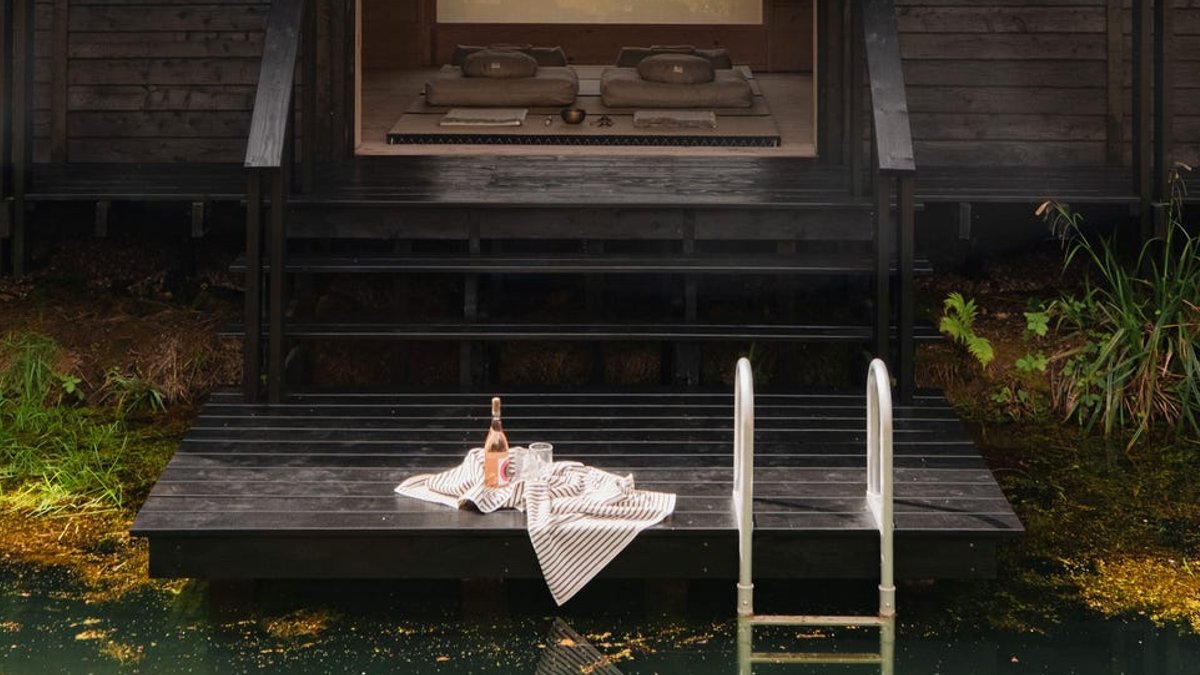
The Yogi’s Cabin at Great Park Farm illustrates how design can foreground wellness. Its central yoga studio aligns with the east‑west axis, allowing sunrise to bathe morning practice in golden light while evening sessions are illuminated by the warm glow of the setting sun. Large sliding doors open onto a 40‑metre lake fed directly from a hillside spring, creating a seamless dialogue between interior activity and the surrounding water. The cabin’s cladding—larch felled from nearby trees—and its thatch, woven from heather and silver‑birch tips, demonstrate a commitment to using resources that are both local and renewable.
Beyond Built Works, other firms such as Kabn have added to the expanding portfolio of architect‑driven cabins. Their projects range from moss‑covered shelters of the Cotswolds to sleek, timber‑framed structures perched on the shores of Lough Erne in Northern Ireland. Each location is chosen for its ecological integrity and its capacity to support low‑impact living, whether through rainwater harvesting, composting toilets, or renewable energy grids that power only essential lighting and heating.
The geographic spread of these retreats shows a growing appetite for sustainable getaways. In East Sussex, woodlands provide a backdrop for quiet contemplation; in the Scottish Highlands, lochs offer reflective surfaces that mirror the sky, encouraging visitors to pause and listen. This diversification ensures that whether a guest seeks the gentle hum of a meadow or the dramatic sweep of a mountain vista, there is a purpose‑built cabin ready to meet that desire.
Visitors often report a palpable shift in mindset. Entering a space constructed with such intentionality—where every beam, tile, and curtain tells a story of place—instills a sense of responsibility toward the environment. This subtle yet powerful experience may be the most lasting legacy of the architect‑designed retreat movement: a reminder that luxury and sustainability can coexist, and that a summer spent off the grid can redefine how we relate to both technology and the natural world.
How the Yogi’s Cabin Merges Architecture and Wellness
Sunrise arrives directly onto the yoga studio because the space sits precisely along an east‑west axis. Early‑morning sessions soak in soft, cool light that gradually brightens the timber walls, while evening practices are bathed in the amber glow of the setting sun. This orientation makes the act of moving through poses feel like a dialogue with the sky itself.
All of the cabin’s materials were harvested within a two‑mile radius of the site, forging an almost invisible bond between structure and surroundings. The larch cladding was felled from the neighboring woodland and milled on‑site, preserving the natural grain and eliminating the carbon cost of long‑distance transport. Inside, Douglas fir panels line every wall, each board still bearing the faint scent of the forest from which it came. Even the thatch roof incorporates heather and silver‑birch tips salvaged from fallen trees, turning what might be waste into a protective, breathable envelope.
Every interior element is chosen to sustain a meditative mood. Hand‑crafted ceramics from Sarah, founder of Common Objects, sit on low tables, their muted glaze reflecting the muted tones of the timber. Unfinished bathroom tiles, still bearing the fingerprints of the makers, provide a tactile reminder that the cabin is a lived‑in object, not a sterile showroom. Curtains, block‑printed by the same family hand, echo the floorplan’s geometry, reinforcing the sense that the space is a single, cohesive organism.
Related: Improv Comedy Drives Business Innovation
Craftsmanship Details That Keep These Cabins Low‑Carbon
On‑site milling of larch and Douglas fir eliminates the need for heavy trucks to ferry timber from distant sawmills.
Hand‑made ceramics and tiles further diminish energy use. The kiln that fires the pottery runs on sustainably sourced wood, and the lack of glaze reduces the firing temperature, saving both fuel and emissions. Each tile was sized to match the width of the timber wall paneling, an intentional decision that reduces waste cut‑offs and allows the pieces to interlock without additional adhesives.
Family‑crafted curtains add a personal touch while avoiding mass‑production footprints. The fabric, woven from locally grown flax, is dyed with plant‑based pigments, and the block‑printed pattern was derived from the cabin’s own floorplan. This approach means that the decorative element serves as both a visual reference and a low‑impact material choice.
Beyond these tangible actions, the cabin’s carbon profile benefits from its off‑grid design. Solar panels on the roof generate electricity, and a rainwater catchment system supplies water for the kitchen and bathroom. The result is a retreat that not only offers digital peace but also demonstrates how thoughtful craftsmanship can keep a building’s carbon story as quiet as its surroundings.
Comparing the Top Five Summer Retreats
Early July visits reveal how each cabin balances low‑carbon construction with a distinct wellness focus. The following table isolates the most practical variables for a summer getaway: nightly price, guest limit, and the signature amenity that sets each site apart.
| Cabin | Nightly Rate (£) | Capacity | Unique Feature |
|---|---|---|---|
| Architects Holiday Yogi’s Cabin | 320 | 2 | Dedicated yoga studio with lake views |
| Kabn Loch Fyne | 280 | 2 | Raw, organic design blending into Cairngorms terrain |
| Cabin 3 | 300 | 4 | Eco‑heated peat sauna and sea‑view deck |
| Cabin 4 | 250 | 2 | Solar‑powered tiny house with hammock garden |
| Cabin 5 | 275 | 3 | Timber‑frame cabin with private forest trail |
Booking Tips for a Seamless Summer Stay
Reservations for these off‑grid cabins move quickly once the warm months begin, so planning ahead is essential. Secure your dates at least six weeks in advance; many sites report that summer slots fill within weeks of opening. Verify transport logistics early—most properties sit roughly an hour’s drive from hubs such as London, Edinburgh, or Dublin, and limited public routes mean a rental car or scheduled shuttle is often the most reliable option.
- Reserve early: aim to lock in your stay by mid‑May to avoid last‑minute price hikes.
- Check transport: confirm parking availability and whether the cabin offers bike rentals or a nearby train station.
- Pack minimal tech: a single tablet for meditation playlists, a solar charger, and a reusable water bottle keep the digital footprint low.
- Bring breathable clothing: natural fibers like linen and merino perform well in both cool mornings and sunny afternoons.
- Include personal meditation tools: a travel‑size yoga mat, incense sticks, or a favorite journal enhance the retreat experience.
Aligning arrival times with sunrise often yields the most tranquil moments on the property’s private trail.
Related: Red Hill Home Draws Winery Inspiration
What Guests Say: Wellness Benefits Beyond the Screen
Within 48 hours of unplugging at a low‑carbon cabin, guests commonly report a measurable drop in perceived stress, describing the shift as moving from a noisy newsroom into a quiet library. The rapid change is attributed to the removal of constant notifications and immersion in natural rhythms. Sleep improves noticeably; the absence of blue‑light exposure combined with daylight that filters through timber‑framed windows helps reset circadian cycles, leading many visitors to fall asleep faster and enjoy deeper REM phases. Mindfulness practices become more intentional when the surrounding environment offers fewer visual and auditory distractions. Participants frequently note that lighting a wood‑burning stove or listening to a nearby spring encourages a reflective mindset that they carry back into daily routines. At the Yogi’s Cabin in East Sussex, the east‑west orientation of the yoga space aligns sunrise with morning meditation, reinforcing the link between natural light and mental clarity. These anecdotal outcomes align with broader research suggesting that brief digital detoxes can produce lasting psychological benefits, especially when paired with purposeful design that prioritises quiet and connection to the outdoors.
Environmental Impact of Sustainable Cabin Building
Across the five newly opened retreats, the choice to source timber locally trims the embodied carbon of each structure by a substantial margin. Larch harvested from the woodland within a mile of Architects Holiday’s Great Park Farm site replaces imports that would otherwise travel hundreds of miles, slashing transport emissions by up to 40 percent. Hand‑crafted fixtures—such as the copper lanterns forged by local artisans and the ceramic tiles made by the founder’s family—further reduce the energy intensity of manufacturing, because they avoid the high‑temperature kilns typical of mass‑produced alternatives. Site‑specific designs also protect existing flora and fauna; rather than clearing large swaths of land, architects position cabins to follow natural clearings, preserving mature trees and the habitats they support. The thatch roof, composed of heather and silver‑birch tips collected from fallen branches, illustrates a circular material flow that returns organic waste to the ground, enhancing soil health and sequestering carbon. Moreover, on‑site milling of Douglas fir eliminates the need for distant sawmills, cutting both fuel use and the waste associated with standard lumber processing. The cumulative effect of these practices is a built environment that not only blends into its surroundings but also contributes positively to regional biodiversity and climate goals. For further insight into sustainable timber standards, visit the Forestry Commission’s homepage at forestry.gov.uk.
What the Future Holds for Digital‑Free Retreats
By late summer, the Lake District will welcome two new timber‑clad cabins that echo the low‑carbon ethos of the architect‑designed retreats already drawing visitors from London and beyond. One site, perched above Ullswater, uses reclaimed stone from nearby quarries, while the second, nestled in a birch grove near Keswick, incorporates a rain‑harvested water system that feeds an on‑site trough for native trout. Both projects are overseen by the same design collective that created the Yogi’s Cabin, ensuring continuity in material sourcing and a focus on ritual‑centered spaces such as meditation decks that face the sunrise.
Across the Irish Sea, the rugged coastline of County Donegal is seeing the rise of three “cottage‑lite” shelters built from locally harvested oak and thatch made from sea‑blown grasses. These structures are designed to be completely off‑grid: solar panels sit low on the roofs to preserve sightlines, and a battery bank, sized to power LED lighting and a small wood‑stove for three months, has been installed in a weather‑proof enclosure. The cabins open onto a pebble beach that is part of a protected marine reserve, allowing guests to practice silent shoreline walks while the tide recedes.
Demand for technology‑free zones is now shaping hospitality policy at a regional level. Recent minutes from the North West England Tourism Board show a draft “Digital‑Detox Incentive” that offers tax credits to operators who meet strict criteria for off‑grid energy use and limit indoor Wi‑Fi to emergency frequencies only. Similar guidelines are being discussed by the Irish Department of Tourism, Culture, Arts, Gaeltacht, Sport and Media, which plans to publish a “Sustainable Guest Experience” framework later this year.
Innovation in off‑grid power is accelerating the ecological benefits of these retreats. Emerging solid‑state battery technology, demonstrated in a pilot at a Scottish island eco‑lab, promises longer life cycles with less rare‑metal content than conventional lithium cells. When paired with micro‑hydro turbines that capture the gentle flow of mountain streams, the result is a hybrid system capable of supplying a cabin’s full energy load without reliance on fossil fuels. Builders are also experimenting with bio‑char insulation made from locally sourced wood waste, a material that both reduces heat loss and sequesters carbon for decades.
These developments suggest that the next wave of digital‑free cabins will not only expand geographically but also deepen the integration of sustainable engineering into the guest experience, turning each stay into a tangible example of low‑impact living.
Quick Answers
What makes a cabin retreat in the UK considered sustainable?
A sustainable cabin retreat typically uses renewable energy sources, employs eco‑friendly building materials, manages waste responsibly, and supports local biodiversity. Look for certifications like Eco‑label or BREEAM as indicators of proven sustainability practices.
How can I stay connected to Wi‑Fi while unplugging at a digital‑peace cabin?
Many eco‑cabins offer limited, low‑bandwidth Wi‑Fi to reduce energy use, often in communal areas rather than private rooms. If you need full connectivity, bring a mobile hotspot and use it sparingly to preserve the retreat’s low‑impact ethos.
Are pets allowed at the UK’s most sustainable cabin retreats?
Pet policies vary by property; most rural eco‑cabins welcome dogs on leashes, especially if they stay in designated outdoor zones. Always check the specific retreat’s guidelines before booking to ensure compliance with their wildlife protection rules.
What activities help promote digital detox during a summer cabin stay?
Guided nature walks, outdoor yoga, stargazing sessions, and workshops on low‑tech mindfulness are common offerings. Many retreats also provide board games, books, and creative supplies to replace screen time.
Do sustainable cabins provide meals, or should I bring my own food?
Some retreats feature farm‑to‑table meals sourced from local producers, while others offer self‑catering facilities with composting options. If you have dietary restrictions, confirm meal availability in advance or plan to bring your own provisions.


