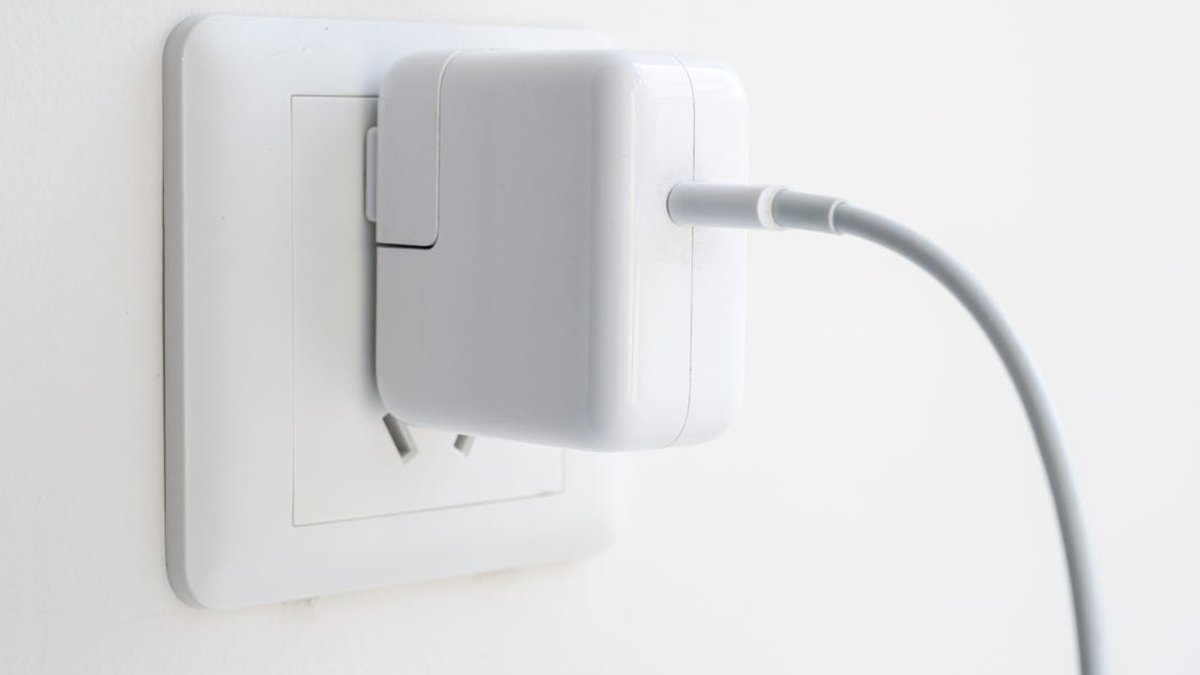
Walking through almost any home, you’ll find them: chargers left plugged into the wall, waiting for a phone that isn’t there. This habit feels harmless, but it raises concerns about your electric bill and safety.
To settle both, I spoke to Dan DiClerico, director of the Home Improvement Outdoor Lab.
An idle phone charger isn’t the energy villain it’s often made out to be, but that doesn’t mean every charger in the house gets a pass. The real distinction is the type of charger in question.
Leaving your charger plugged in raises a concern about your electric bill, but it doesn’t really apply to phone chargers. DiClerico says, “When you add up all the vampire power consumed by electronics throughout the home, it can account for as much as 10 percent of your annual electricity bills,” which could be a couple of hundred dollars a year.
Vampire power, also called standby power, is the electricity devices sip even when they’re idle or off, and the biggest offenders are things like TVs, gaming consoles, and cable boxes.
It’s not a major hazard, but leaving a charger plugged in all the time isn’t doing the charger any favors, either. DiClerico says, “We still recommend unplugging all phone chargers, since the constant flow of electricity, even at a low current, puts constant strain on their internal parts, leading to premature failure.”
Related: Clear Ice Now Possible at Home
In other words, the habit is less likely to burn your house down than to quietly kill the charger itself.
When it comes to power tools and e-bike chargers, the advice is non-negotiable. DiClerico says, “It’s essential to unplug larger lithium-ion battery chargers, like those for power tools and e-bikes, since they can be quick to overheat if damaged or left on a charger for too long, leading to a serious fire hazard.”
Fire officials echo this point, with guidance from agencies, including the U.S. Fire Administration and the Consumer Product Safety Commission, calling for charging these batteries attended and unplugging them as soon as they’re full.
Leaving a phone charger plugged in costs you a few dollars a year and shortens the charger’s lifespan, so unplugging is a good habit. But for lithium-ion chargers powering tools, e-bikes, and scooters, it’s a safety rule.
Those come out of the wall the moment the battery is charged.


