More than half of British households—54%—claim they can handle DIY projects, yet only a small fraction feel truly skilled. The lure of saving money often leads owners to tackle repairs that may end up costing far more than hiring a professional. National DIY Day took place on April 2nd, encouraging Brits up and down the country to have a stab at the jobs they’ve been putting off for months, but even on such occasions, the risks of costly mistakes remain high.
Roof-tile errors that can flood your budget
A single misaligned tile can allow water to seep in, creating mould, damp and even exposing larger roof sections. In fact, a poorly fitted tile could knock adjacent tiles loose, turning a minor issue into a widespread problem that compromises the entire roof structure.
Replacement of a few slipped tiles typically runs between £500 and £2,000. If the problem spreads, a full roof overhaul may be required, with expenses ranging from £5,000 to £12,000. Subsequent water damage can add another £2,000–£5,000 to the bill.
Bathroom tiling mistakes that seep into other rooms
Improper tiling in wet areas is a common pitfall. Using the wrong adhesive, laying tiles unevenly, or skipping waterproof membranes often leads to water ingress that spreads beyond the bathroom. These errors can result in damp, structural damage, and even mould growth in other parts of the home, turning a small bathroom project into a house-wide renovation nightmare.
According to Josh Jinks, Brand Manager at UltraTile, repairing water-related damage after a botched tiling job can reach up to £15,000. The cost of removing and re-tiling a bathroom lies between £3,000 and £6,000, while fixing leak-induced damage may require £5,000-£10,000.
Read Also: Grass Gains launches hose-free feed for retailers
Electrical rewiring risks and remediation costs
Home wiring demands professional expertise. Mistakes not only jeopardise safety but also trigger extensive restoration work. A single-room rewiring project often needs two days of an electrician’s labour, costing £2,000-£5,000. For larger homes, the process can take up to two weeks, with full-house rewiring running £5,000-£15,000. Repairing an electrical fire can exceed £10,000, and homeowners sometimes attempt to cut costs by redecorating themselves after the certified work is finished.
Plumbing blunders and structural oversights
DIY plumbing is frequently likened to “water Lego,” but the reality is far messier. Installing a bathroom, moving pipework or adjusting central heating without proper knowledge often results in leaks, sagging ceilings and mould. Unlike what might be suggested in television comedy, plumbing work requires precision to avoid water damage spreading beyond the intended area, often leading to far costlier repairs than initially anticipated.
Financial fallout from plumbing errors can vary from £2,000 for minor leak repairs to over £20,000 for severe structural rot. Additional expenses for flooring, plastering and decoration may add another £5,000-£15,000.
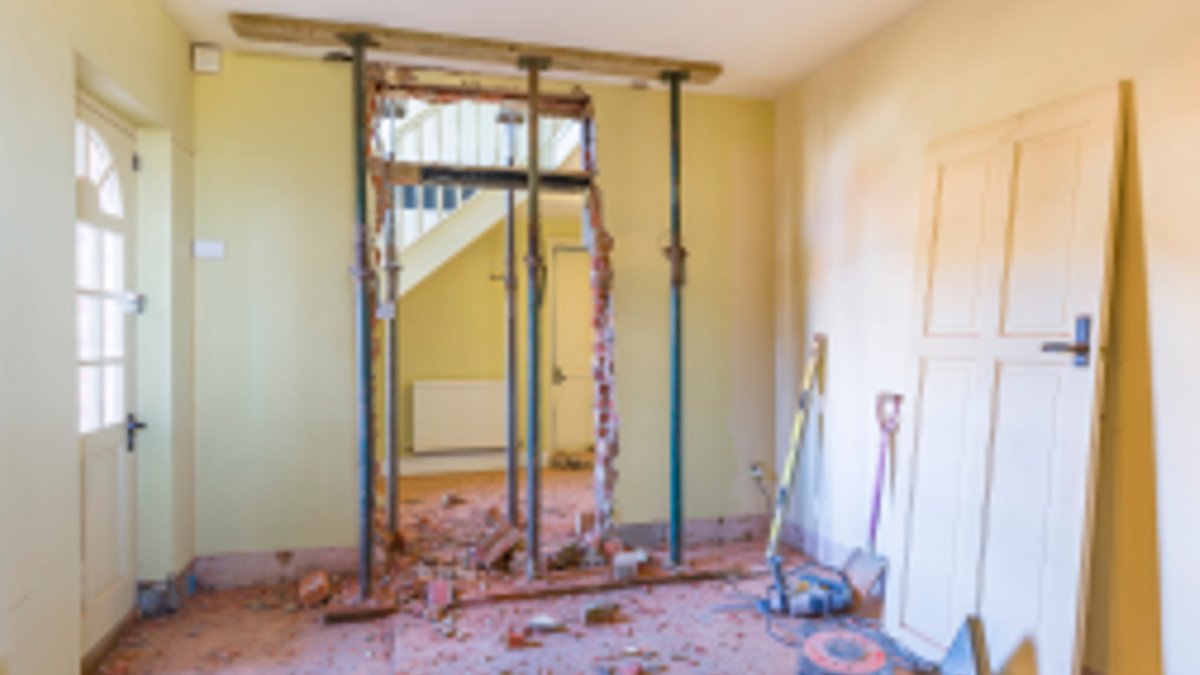
Removing a load-bearing wall without engineering input is another costly mistake. Home-improvement shows make the process appear easy, yet the wall may be essential to the building’s stability. Failure can lead to cracked plaster and sagging ceilings, as the structure relies on the wall for support. Before attempting such work, homeowners should consult a structural engineer to assess whether the wall is load-bearing.
Correcting such an error involves a structural engineer’s assessment (£500-£1,500), installing a steel beam (£3,000-£10,000), rebuilding the wall (£2,000-£5,000) and finishing work like plastering and electrics (£1,000-£3,000).