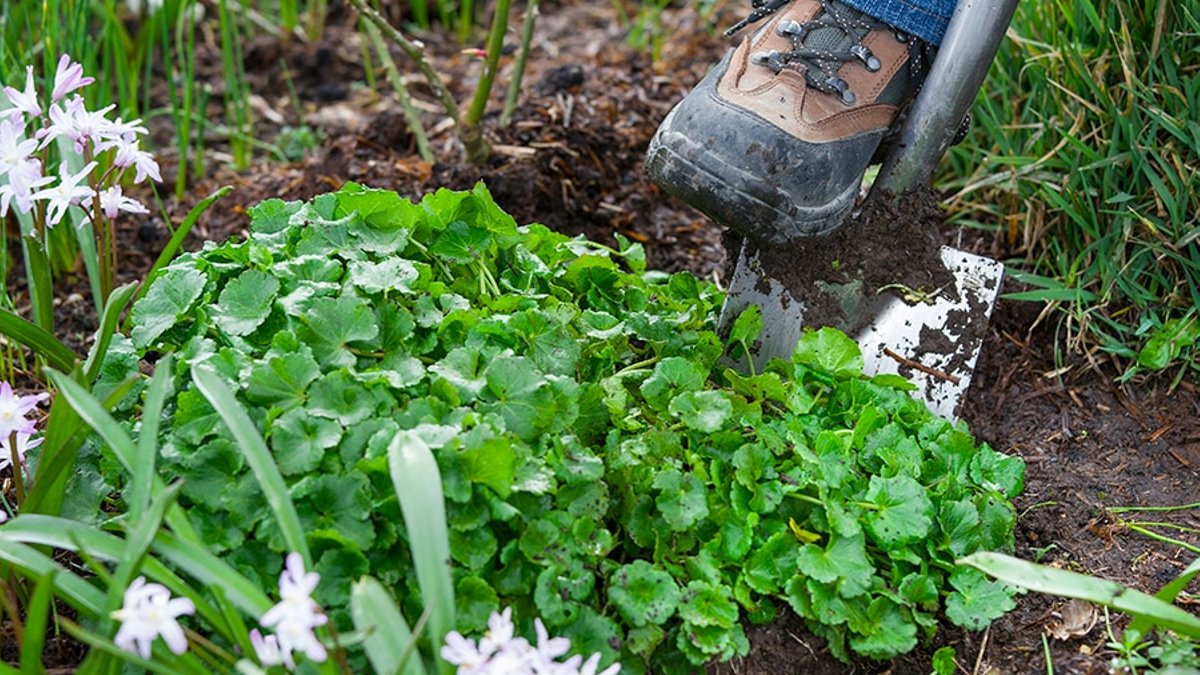
Dividing perennials in autumn can lead to new plants and reinvigorate old, tired clumps. This process involves lifting and separating well-established clumps, particularly those showing signs of aging or overcrowding. It’s an effective way to rejuvenate plants that have become too large or are flowering less vigorously, though many perennials can thrive for years without division.
When and How to Divide Perennials
The ideal time for division is after perennials have finished flowering. This is especially beneficial for early summer-flowering plants like delphiniums and daylilies. However, if the autumn is unusually wet and cold, or if the soil is heavy clay, it’s better to wait until spring. Similarly, borderline tender plants, such as penstemons, should also be divided in spring.
To divide, use a spade to dig up the entire clump, slicing around the edges and gently lifting it out. For larger clumps, portions can be sliced out directly in the ground. Once removed, cut the clump into smaller sections, ensuring each piece has both shoots and roots. Avoid making divisions too small, as tiny pieces will take a long time to reestablish. Plants with fibrous roots can often be pulled apart by hand or with forks, while those with solid crowns, like hostas, may require a knife or saw. Although the process may seem brutal, plants soon recover as long as the divisions each have their own roots and shoots.
Read Also: Guide to Top Climbing Roses for Gardens
Replanting and Care
Replant the divided sections in weed-free, well-cultivated soil, maintaining their original depth. Water them thoroughly and continue to water during dry spells until the roots reestablish.
For those looking to invest in tools, the Niwaki Hori Hori Pro is a fantastic choice, featuring a blade made from SK-5 carbon steel that can help cut through tough roots. A good pair of pruning shears, such as the Darlac professional pruners or Niwaki Mainichi secateurs, can help with trimming back dead foliage. The Kent & Stowe border spade, designed with a comfortable handle fashioned from ash and stainless steel, is lightweight and balanced, reducing strain on your back and arms during digging. For accurate, direct watering, the Rowley Ripple watering can, with its beautiful curved spout, is an excellent addition.
Choosing the Right Plants for Autumn Division
As a general rule, perennials that flower before the longest day (21 June) are good candidates for autumn division. Examples include Dicentra formosa, Convallaria Majalis, Geranium ‘Ann Folkard,’ Hemerocallis ‘Stella de Oro,’ Pulmonaria ‘Blue Ensign,’ and Primula veris.


