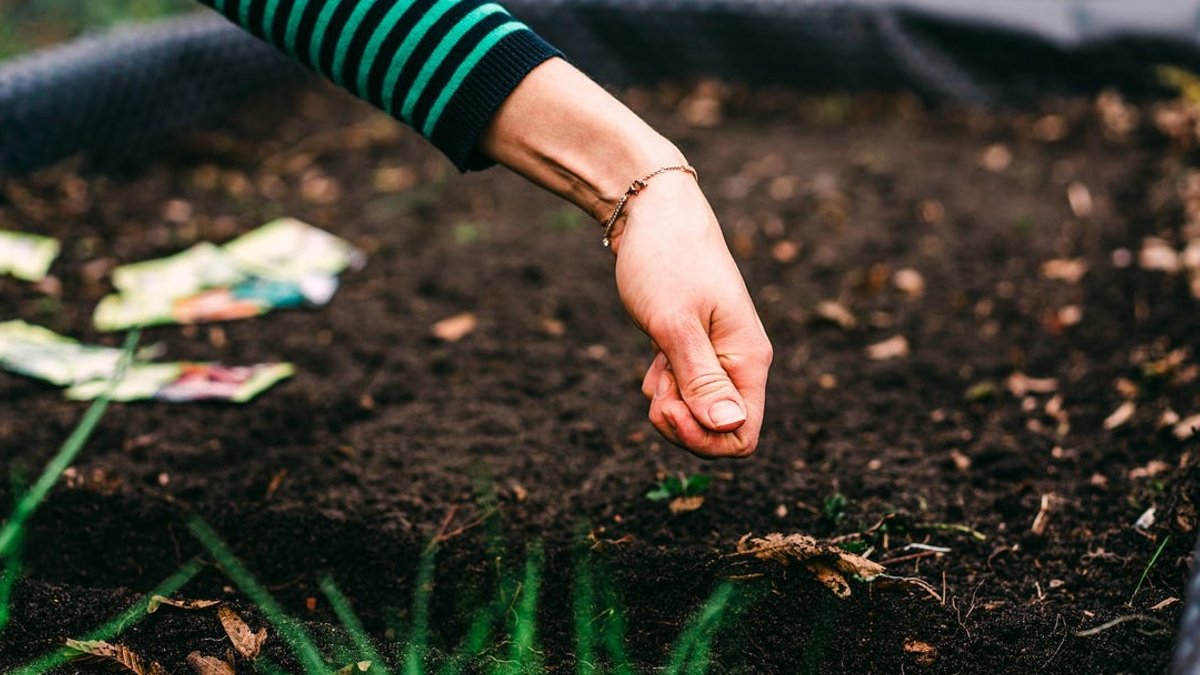
August doesn’t have to mean the end of the gardening season. While many homeowners pack up their tools as temperatures climb, fast-growing crops can turn the month into a second planting window that often outperforms spring.
The advantage comes from the soil. After months of summer heat, the ground stays warm, speeding up germination. But that warmth also dries the soil faster. The solution is selecting crops that mature in 30 to 40 days and keeping the seedbed moist.
Seeds germinate faster and stronger in warm soil. In April, gardeners often wait weeks for sprouts in cold ground. By August, the same seeds can emerge in days. The trade-off is moisture loss, so light, frequent watering works better than a single deep soak. A thin layer of mulch or straw helps retain moisture without smothering seedlings. Before planting, check your area’s average first frost date and count backward to find the best window. Colder regions may need to start earlier than milder ones.
Five Crops to Plant Before Summer Ends
Radishes grow quickly, maturing in just 25 to 30 days. They germinate best in soil between 45°F and 90°F—perfect for August’s warmth. Plant seeds a half-inch deep, thin seedlings to two inches apart, and keep the soil loose and well-draining. Full sun is ideal.
Turnips handle even hotter soil, with an optimal range of 60°F to 105°F. They take 30 to 40 days to reach harvest size for smaller roots. Direct-sow seeds a half-inch deep, thin seedlings to a few inches apart, and let them grow. A hard frost won’t harm them—it sweetens the roots by converting starches to sugar.
Related: July’s top summer buys revealed
This crop benefits from both warm soil and cold air. Gardeners in regions with early frosts can still get a harvest by planting now and letting the weather improve flavor.
Baby lettuce matures in about 30 days. While it germinates in a wide range, it struggles in extreme heat. August’s cooling temperatures create a sweet spot. Sow seeds shallowly—a quarter-inch deep—in full sun to partial shade. Harvest as baby greens to stay within the fast-growing window.
The cooling air also improves flavor. Lettuce turns bitter in summer heat, but fall crops stay mild and crisp. Spinach matures in 35 to 45 days. Plant seeds in full sun to partial shade, keeping the bed consistently moist. Fall spinach is often sweeter and less likely to bolt than spring crops, making it a reliable choice for late planting.
These crops don’t need much space or effort, but timing matters. Plant too late, and frost will arrive before harvest. Plant too early, and lingering heat will cause problems. The best time is now, when soil remains warm but air begins to cool.
A few weeks of care can produce a harvest that matches or exceeds spring yields.


