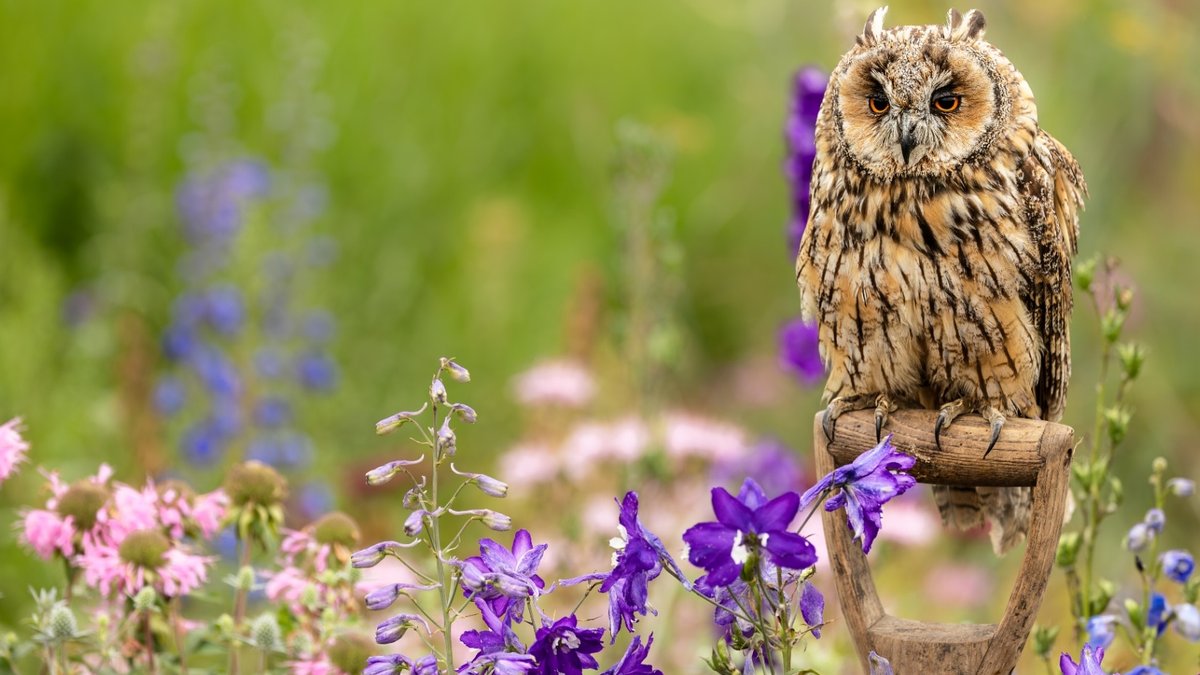
A well-designed garden does more than create visual appeal—it can also become a refuge for owls, which offer quiet but significant ecological benefits. These birds of prey serve as natural pest controllers by feeding on rodents and other small mammals that might otherwise harm plants or spread disease. By designing gardens to meet their needs, gardeners can reduce reliance on chemical interventions while supporting biodiversity.
The foundation of owl attraction lies in supporting the entire food chain. A garden rich in insects, small mammals, and birds provides the hunting opportunities owls require. This means avoiding the temptation of a perfectly manicured lawn. Instead, leaving patches of long grass, leaf litter, and dense planting creates both shelter for prey and hunting grounds for predators. Even small gardens can achieve this with mature trees, hedges, log piles, or nest boxes.
Wildflower meadows prove especially effective in this regard. Species such as viper’s bugloss, ox-eye daisy, and common knapweed thrive in nutrient-poor soil and attract insects, which in turn sustain a broader ecosystem. Eliminating pesticides and herbicides allows these plants to flourish while providing food for small animals. Dense shrubs, including hawthorn, hazel, or holly, offer additional cover, and evergreens maintain shelter throughout winter.
Designing for owls with layered habitats
Layered planting increases habitat complexity. Tall trees provide perches and nesting sites, while shrubs and ground-level plants create a mix of open and shaded areas. Older, less manicured trees with cavities or broken branches are particularly valuable, as they offer natural roosting spots. Dead wood, when safe, also supports insects and fungi, contributing to the food web that draws owls.
When natural nesting sites are unavailable, purpose-built owl boxes can help. Design requirements vary by species, so identifying local owls before installation is essential. Placement is critical, boxes should be mounted in a quiet, undisturbed location with a clear approach for birds, away from bright lights or high-traffic areas.
Lighting and patience boost owl attraction
Lighting choices also influence owl visits. While garden lights enhance evening enjoyment, excessive artificial illumination disrupts nocturnal wildlife. Motion-sensitive or warmer, lower-level lighting balances aesthetics with ecological needs, preserving the garden’s ambiance without deterring owls. Patience is necessary, owls may take time to discover a new habitat, but the right conditions improve the likelihood of their arrival.
Owls are most likely to visit gardens where their prey, such as mice, voles, and rats, are abundant. These small mammals thrive in environments with dense ground cover, fallen leaves, and undisturbed corners. Even a single patch of long grass or a pile of logs can become a haven for rodents, signaling to owls that the garden is a reliable hunting ground. The presence of other birds, including sparrows, blackbirds, and thrushes, further enriches the ecosystem by contributing to the food web that sustains owls.
Beyond food sources, a garden’s physical structure plays a critical role. Mature trees, particularly those with cavities or broken branches, offer ideal perching spots for owls to survey their territory. A single old apple or oak tree can transform a garden into a potential owl habitat, provided it remains standing and undisturbed. In the absence of natural trees, tall shrubs like hawthorn or hazel can serve as substitutes, offering both cover and vantage points.
Chemical rodenticides are a common but risky solution for gardeners dealing with mice or rats. These poisons can pose a risk to predators that feed on poisoned prey, disrupting the garden’s ecological balance. Instead, gardeners can adopt preventive measures to reduce rodent populations naturally. Storing birdseed in metal or thick plastic containers prevents spills that attract rodents, while covering compost heaps and sealing food waste in bins eliminates easy meals. Even small adjustments, such as removing clutter or sealing gaps in fences, can make a garden less inviting to pests.


