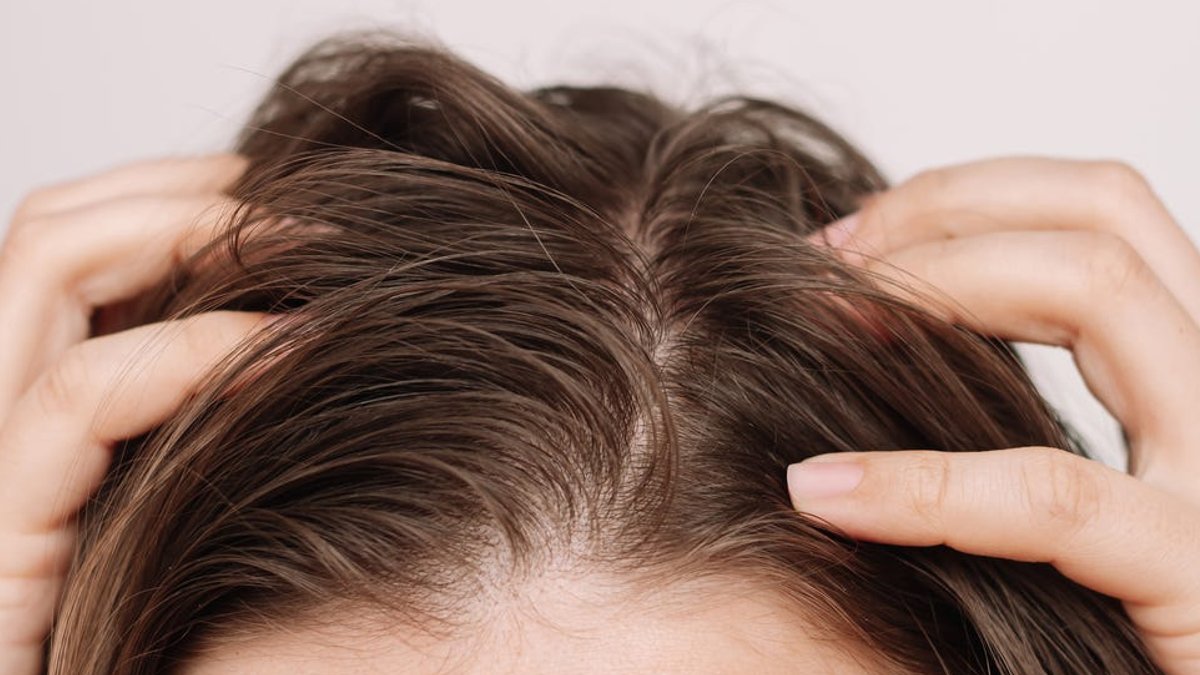
The skin beneath your hair functions as a complex ecosystem. It is thicker, oilier, and contains more sebaceous glands than other areas of the body. When this balance is disrupted, the results can include itching, visible irritation, or pain. Dermatologists emphasize that a healthy scalp is essential for healthy hair, but conditions that flare up may cause rashes, bumps, flakes, or hair loss.
The scalp’s unique structure
The scalp’s anatomy differs from the rest of the skin. Hair follicles are densely packed, and sebaceous glands produce sebum, an oily lubricant that moisturizes both skin and hair. While sebum is beneficial, it also creates an environment where microbes thrive. Some of these microbes are harmless, but others can lead to problems ranging from mild irritation to serious infections. Unlike skin on the arms or legs, the scalp is difficult to inspect, allowing conditions to worsen before detection.
Common scalp conditions and their causes
Here are the most frequent scalp issues, their symptoms, and typical causes.
Head lice
These tiny insects feed on human blood and attach to hair shafts, laying eggs known as nits. They spread through direct head-to-head contact, particularly among children. An allergic reaction to their bites causes itching, and scratching can result in sores. Adult lice are roughly the size of a sesame seed and may appear darker on darker hair.
Over-the-counter shampoos and fine-toothed combs usually remove lice, though persistent cases may need prescription medication. The Centers for Disease Control and Prevention advises washing bedding, vacuuming furniture, and disinfecting combs and brushes to prevent reinfestation.
Lichen planus
This inflammatory disorder can develop anywhere on the body, including the scalp, where it often appears as small purple or red bumps. In some cases, it can cause hair loss. The exact cause remains unclear, but potential triggers include certain medications, hepatitis C, or metal dental fillings. Genetics also contribute, as one variant, bullous lichen planus, tends to run in families.
Related: M&S ingredient sparks Italy craving after Tom Kerridge recipe
Treatment usually involves topicals like corticosteroid.
Folliculitis
Folliculitis occurs when hair follicles become inflamed, often due to bacterial or fungal infections. It appears as small, acne-like bumps that can spread across the scalp. Shaving, heavy conditioners, and strong hair dyes can irritate follicles, as can excessive sweating.
If bacteria are the cause, antibiotics—either topical or oral—may be prescribed. For non-infectious cases, anti-inflammatory medications like topical steroids can help.
Hair loss
Hair loss can result from genetics, medications, inflammation, hormonal imbalances, or hair fragility. Causes include anemia, thyroid disorders, extreme stress, or significant weight loss. A condition called telogen effluvium, where hair sheds months after a triggering event, has been linked to COVID-19. A survey found that nearly 68% of survivors reported hair loss following infection.
Treatments depend on the cause. Rogaine thickens existing hair, while spironolactone blocks hormones that contribute to thinning. Platelet-rich plasma therapy, where a patient’s blood is injected into the scalp, has shown promise for pattern hair loss. Dietary adjustments, such as addressing iron or vitamin deficiencies, can also support regrowth.
Cysts
Scalp cysts are smooth, marble-sized bumps beneath the skin. Most are harmless and require no treatment unless they become infected or painful. If they do, drainage or antibiotics can relieve symptoms, though cysts often return unless surgically removed. The procedure is straightforward, performed under local anesthesia, and leaves minimal scarring that hair can cover.
Ringworm (tinea capitis)
Ringworm is a fungal infection, not a worm. It causes a scaly, circular rash that can lead to bald patches and broken hairs. Highly contagious, it spreads through direct contact with infected people, animals—especially cats—or objects like towels and combs. Children are most commonly affected, but adults can also contract it.
Related: July’s top summer buys revealed
Oral antifungal medication taken for 4 to 6 weeks typically clears the infection. Patients are no longer contagious 48 hours after starting treatment but should avoid close contact until then.
Allergic contact dermatitis
This rash develops when the scalp reacts to an allergen, sometimes days after exposure. Symptoms include itching, redness, and in severe cases, oozing. Common triggers are hair dyes containing paraphenylenediamine (PPD), fragrances in shampoos, and chemicals like methylisothiazolinone.
Identifying and avoiding the allergen is key. Patch testing can help determine the cause. Topical steroids reduce inflammation, while severe cases may need oral steroids.
Most scalp conditions can be managed with proper diagnosis and treatment. Dermatologists advise regular check-ups, especially if symptoms persist or worsen. Early intervention can prevent complications and, in some cases, stop hair loss before it becomes permanent.
The scalp is more than just a surface for hair. Neglecting its health can lead to discomfort, embarrassment, or long-term damage. Fortunately, most issues are treatable once the problem is identified.
For those looking to maintain a healthy scalp, nutrient-rich meals can support overall skin health.


