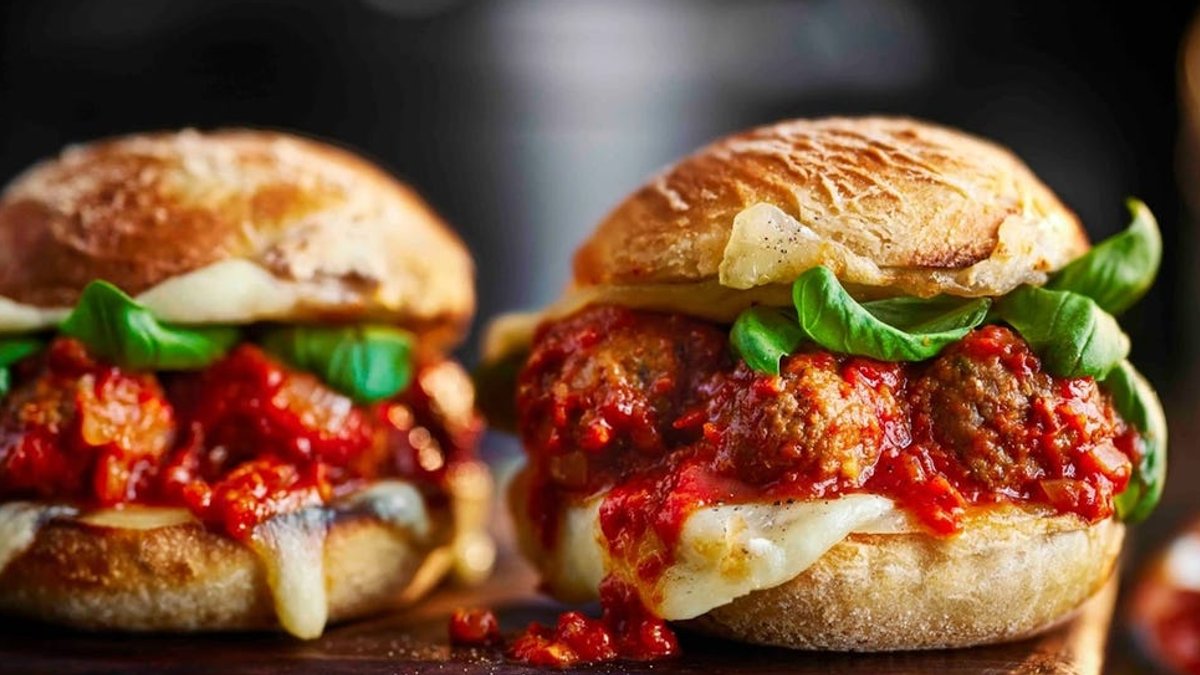
Tom Kerridge Cooks Italy has already introduced viewers to Calabrian chilli paste and truffle butter, but tonight’s episode (ITV, 7:30pm) focuses on the tomato. The program visits Puglia, where tomatoes remain a staple, and features a Meatball Mozzarella Ciabatta recipe that uses Italian passata from Marks & Spencer.
The standout item in the episode is the MS Remarksable Value Italian Passata. This serves as the base for the Meatball Mozzarella Ciabatta Rolls, which serve four people and take an hour and a half to prepare. The recipe pairs rich tomato sauce with tender meatballs and bubbling mozzarella inside a toasted roll.
The meatball mixture combines 300g of Remarksable Value 5% British beef mince with 200g of Heritage Gold 5% British pork mince. It also includes 50g of white breadcrumbs, 50ml of Remarksable Value whole milk, finely chopped rosemary, garlic granules, dried oregano, and 30g of finely grated Parmigiano Reggiano.
Seasoning is added to the bowl, and the mixture is shaped into 20 meatballs. They are then chilled for one hour to firm up. The chef fries the meatballs in a large frying pan with one tablespoon of light olive oil until they are golden all over, working in batches if necessary.
Related: A. O. Smith Water Heater Earns GH Seal
Building the sauce and sandwich
After removing the meatballs, the remaining oil is used to cook diced brown onions and minced garlic until the onion is softened. Caster sugar and chilli flakes are stirred in before the jar of passata is poured into the pan. The bottle is rinsed with 100ml of water, and the liquid is added to the sauce. The mixture simmers, returning the meatballs to the pan with two basil stalks for ten minutes.
While the sauce thickens, the grill is preheated to medium-high. Four ciabatta rolls are halved and placed cut-side up on a foil-lined tray. Thickly sliced Italian mozzarella is placed on the bread, and the tray goes under the grill for five to ten minutes to melt and turn golden.
Five meatballs are spooned onto each base, scattered with basil, and topped with the remaining roll halves. The dish is ready to serve immediately.
Looking at the recipe, it relies heavily on processed items like breadcrumbs and pre-grated cheese, which makes the assembly feel like a structured build rather than a free-form cooking session. While the method ensures a consistent result, it lacks the improvisational element of a traditional ragù where the cook adjusts the sauce as it reduces.