Professional organizers often caution against throwing away items that seem like clutter but might be necessary later. Their advice suggests slowing down before tossing things like important documents or old cables. Hines, a professional organizer, suggests that organizing these documents first allows people to declutter responsibly rather than out of fear or confusion. In many cases, digitizing can be a helpful way to preserve important records without taking up physical space.
Items That Serve Future Needs
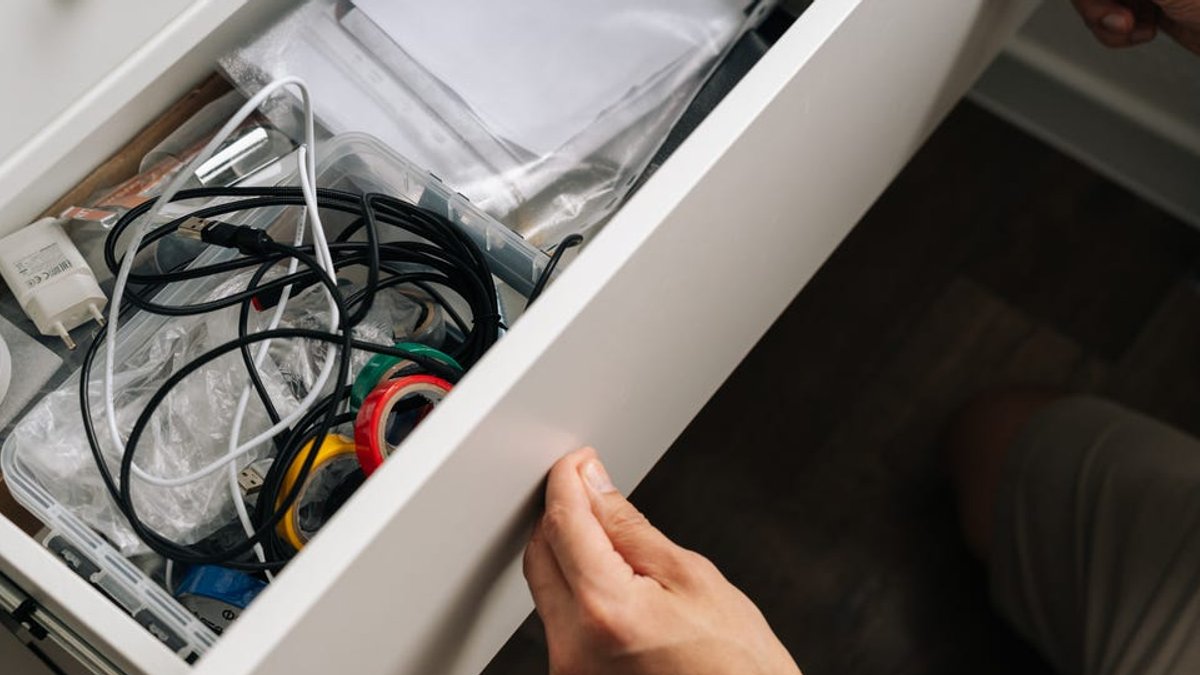
Jeffrey Phillip, an interior designer and professional organizer, notes that old cables and cords can seem like easy items to toss. Since ports and cables change over the years, it is important to confirm you have no more need for them before they hit the recycling pile. Without the cord, you may no longer be able to access your information or charge your device. Similarly, tools never go out of style or expire, and having them close by speeds up completing certain tasks, especially in a multi-floor or large home.
Related: Patriotic Films for Independence Day Viewing
It can be tempting to get rid of extra storage solutions, but Jackie Pittman of Chez Nous Organizing recommends keeping some organizers on-hand if you have enough storage space in your home. These items are expensive and useful when needs change. Pittman says she gets rid of any that are not in good shape or don’t fit the style of the home anymore, but she advises against clearing them out entirely just to save space.
Why You Should Keep “Aspirational” Items
People often mistake hobby supplies for clutter, but Pittman says not all aspirational clutter is fantasy clutter. If someone is genuinely working toward a goal—learning to cook, increasing strength training, or rehabbing after illness—those items may represent intention and hope. Pittman usually sets a realistic time frame of three to six months and sets a reminder on her phone to check in about these items to see if they have been used.
Tools and storage solutions represent a specific kind of clutter: they are an investment in future potential. If you have the physical room, keeping these items creates a buffer for when your interests shift or your home grows. It is a practical approach to organizing that acknowledges life changes rather than forcing a static environment.
Related: Salvaged Garage Becomes Family Retreat
Emotional Clutter and Life Transitions
Hines warns that belongings connected to loss, divorce, illness, fertility journeys, or major career shifts are often decluttered during periods of emotional overwhelm. Carefully consider whether or not you really want to get rid of things like photos and special documents connected to these significant life moments. Pausing allows decisions to be made with clarity rather than grief or urgency, which helps prevent regret later.
A digital decluttering session is great now and again, but don’t make the mistake of wiping out key passwords. Tonia Tomlin of Sorted Out says people tend to want to declutter passwords, but they shouldn’t because there might be an important code word or something you need when trying to log back into an account that you accidentally decluttered.
Related: Mother and Daughter Share Fitzroy Home
Emergency Supplies and Sentimental Value
Tomlin advises against decluttering emergency supplies because of the “just in case” situations like a tornado or flood. Clients often think they should declutter them because something hasn’t happened, but the moment something happens, they wished they had those items. Similarly, family photos, heirlooms, and keepsakes are often decluttered because they feel like clutter, when the real challenge is deciding how to honor the memory.
Organizer Laura Cattano recommends only keeping pieces “you truly love and enjoy looking at” for meaningful decor. Not everything needs to be displayed at once, especially if you have a smaller space. It is nice to have a cupboard or closet with pieces to switch out every now and then to refresh your space. This strategy ensures you keep the items that bring joy without overcrowding your living areas.


