The Australian hardware brand Bankston teamed up with the design platform For Scale to stage two exhibitions this year that argue for the necessity of touch in the built environment. The collaboration opened in May at NYCxDesign, where the partners took over the Colbo wine bar on Manhattan’s Lower East Side for a show titled A Manifesto on Touch. At its centre sat a written provocation by design critic David Michon, which argues that touch is a form of sensation and information. The installation featured custom stools and tables fabricated by artist Caleb Engstrom, fitted with hardware from the Super Collection by Sans-Arc Studio and The Streaks by YSG Studio. Mirrors edged with Civilian Projects’ Hemispheres collection carried hand-painted excerpts from the manifesto. Guests were invited to tear strips from the posters; the act of ripping was framed as a kind of pull, and a pull as a kind of handle.
Touch in Copenhagen
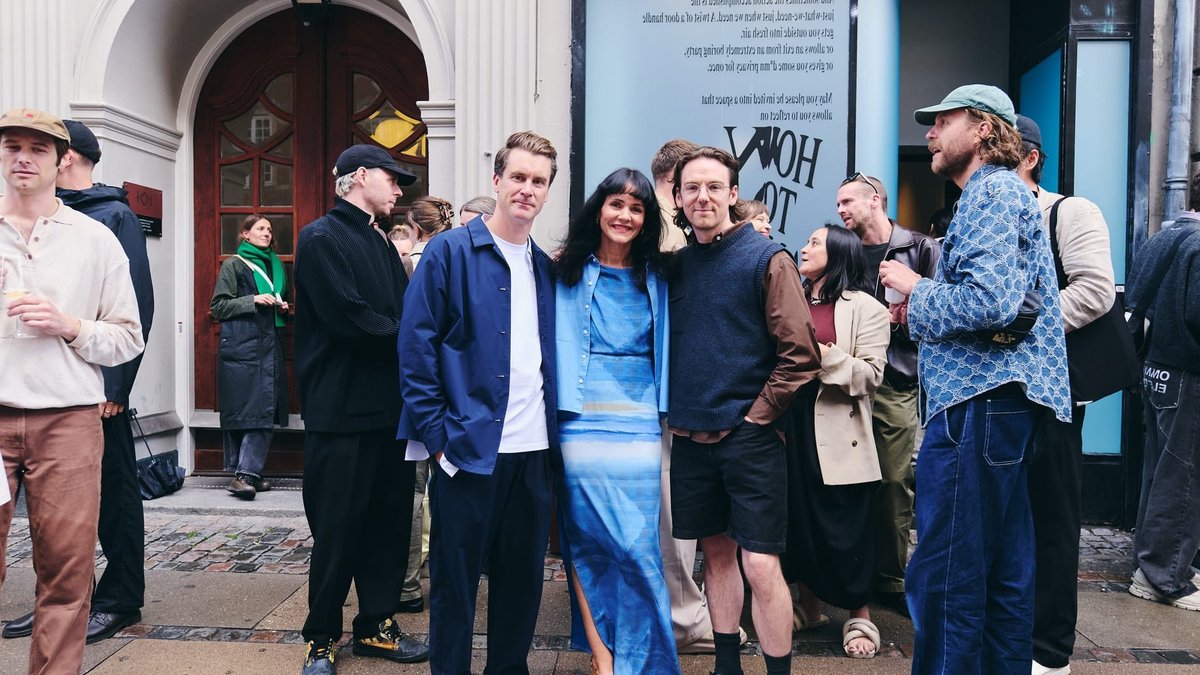
A month later, the partnership moved to Copenhagen for 3daysofdesign with an immersive installation titled How to Handle. Developed with spatial set designer Currie Ritchie and Engstrom, the space borrowed the visual language of manifestos and protest graphics. It layered typography, tactile materials and interactive elements, presenting hardware collections not as products to be viewed but as an environment to be used. The banded timber levers, pulls and joinery pieces from The Streaks were a central feature of both presentations. The collection was designed with Yasmine Ghoniem of YSG Studio and launched at 3daysofdesign in 2025. The physical presence of the wood and the specific movement required to operate the handles seems to offer a grounding counterpoint to the digital nature of modern design discourse.
Related: Melbourne Restaurant Preserves Natural Charm
“At its core, this exhibition is about reconnecting people with the physical experience of design—the feeling of opening a door, holding an object and interacting with material in a meaningful way,” said Steve Bradley, co-CEO of Bankston. “For Scale immediately understood that ambition.” The brand operates less like a manufacturer and more like a design incubator, with each collection authored by a different studio. The physical act of engaging with these objects, however, raises a question about the durability of such tactile experiences in a world that increasingly favors disposable digital interactions. If the exhibition is a protest against the intangible, one might wonder how long the physical hardware itself will last compared to the digital files that design trends often rely on.


