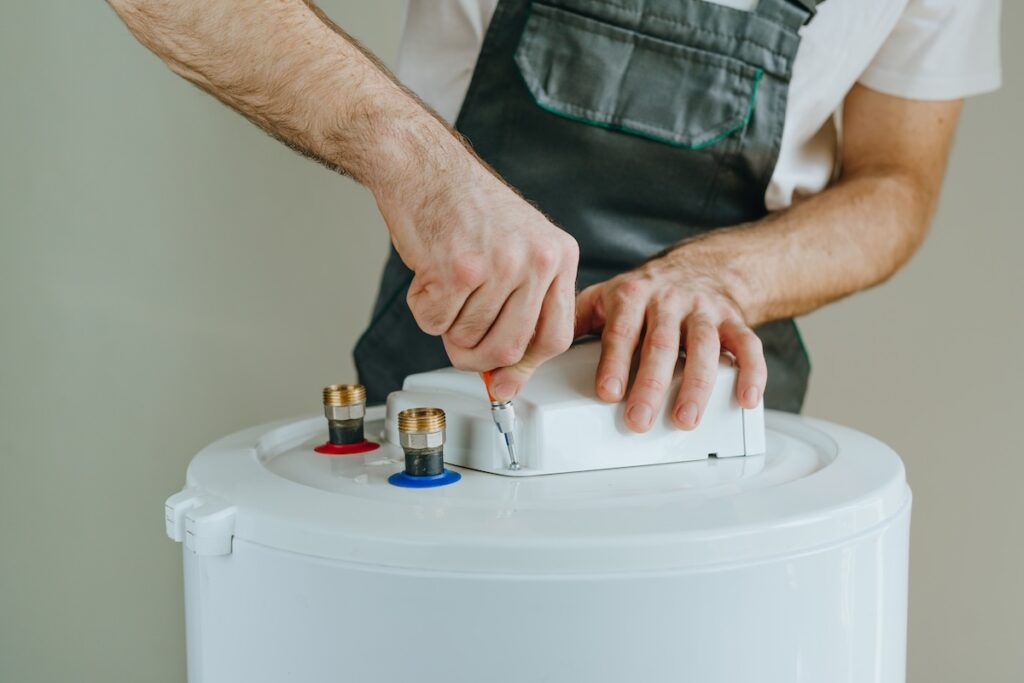
Maintaining the flow of water and the integrity of a home’s plumbing is an ongoing responsibility that often requires homeowners to evaluate how to handle recurring issues. When a drain slows down or a water heater begins to exhibit signs of age, the choice typically involves determining whether a repair might suffice or if a more permanent intervention is necessary. Making informed decisions regarding these systems often involves understanding the factors that affect their performance and knowing when to consult a professional.
Evaluating Plumbing System Performance
Understanding the functional state of plumbing requires observing how systems perform during daily use. Drains, for example, rely on gravity and clear piping to transport waste away from the home. When debris accumulates, the resulting obstruction can cause backups that range from minor inconveniences to more significant plumbing failures. Residents often encounter scenarios where drains in kitchens or bathrooms become sluggish, signaling a potential buildup of household matter, scale, or other materials within the pipes.
Similarly, water heating systems have a finite operational life. As these units function over many years, they may begin to show signs of reduced efficiency or internal wear. Recognizing these signals—such as inconsistent water temperatures, longer wait times for hot water, or signs of moisture near the unit—is essential for homeowners who wish to manage their home’s infrastructure proactively rather than waiting for a complete system failure.
Understanding Common Service Interventions
When plumbing issues arise, service providers typically utilize various methods to address them. For drain cleaning, the approach often depends on the nature and location of the obstruction. While some situations may be resolved with standard tools, persistent or deep-seated blockages often require more advanced techniques to ensure the line is fully cleared. A thorough professional assessment usually includes identifying the root cause, which helps in selecting the most effective approach to restoring proper flow.
Regarding water heater maintenance, the scope of work can range from basic component testing to a full system replacement. If a unit is nearing the end of its useful life or if the cost of repeated repairs begins to outweigh the value of the unit, many homeowners find that a full replacement is the most practical path forward. A professional can provide clarity on whether the internal components are sound or if the entire system has reached a point where replacement is the most reliable option for long-term function.
Factors Influencing the Decision to Repair or Replace
Several variables typically influence whether a homeowner should pursue a repair or opt for a replacement. The frequency of the issue is perhaps the most significant indicator. A single, isolated backup might be addressed with routine cleaning, whereas frequent, recurring clogs may suggest a deeper structural issue within the sewer or drain lines that requires a more comprehensive solution.
For water heating systems, age and performance are the primary considerations. A system that struggles to maintain adequate capacity for the household’s needs may be under-sized or nearing its end, making a newer, more efficient model a logical consideration. Additionally, the condition of surrounding plumbing, such as the age of the pipes or the presence of mineral buildup, can impact the effectiveness of any repair. A technician can often offer insight into whether a repair provides a temporary fix or a lasting resolution based on their assessment of the system’s overall condition.
Aligning Plumbing Choices with Home Needs
Aligning plumbing decisions with individual needs involves a balanced assessment of current performance, potential future requirements, and the long-term cost of maintenance. For many, the goal is to establish a consistent, reliable supply of hot water and a drainage system that operates without regular intervention.
To achieve this, it is often helpful to prioritize regular check-ups. Just as routine maintenance helps identify minor leaks or wear, professional inspections can uncover potential concerns in both drainage and heating systems before they escalate. When speaking with a service provider, consider asking about the diagnostic tools they use and how they determine the longevity of a repair versus a full replacement. A transparent professional will typically explain the findings of their assessment and discuss the trade-offs involved in each available option.
Empowering oneself with a better understanding of these systems can lead to more confident decision-making. Whether addressing a stubborn drain or planning for a water heater replacement, the most effective approach is generally one that combines professional evaluation with an awareness of how the home’s plumbing interacts with daily life. By addressing concerns as they arise and maintaining an open line of communication with service experts, homeowners can effectively manage their properties and ensure their systems remain in reliable working order.